
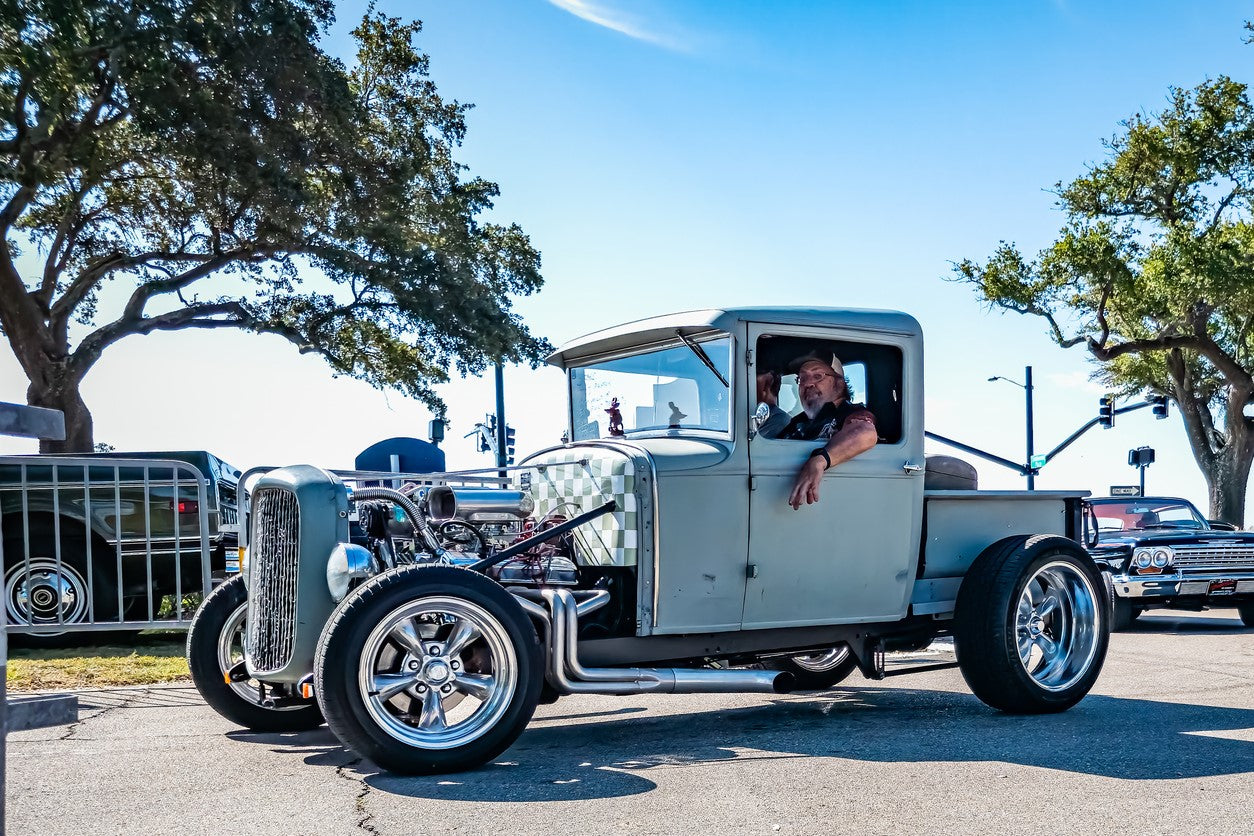
Model A frames form the foundation of countless hot rod builds, but stock frames need modifications for modern performance and safety. Understanding channeling, boxing, and reinforcement techniques helps you build a strong, safe chassis that handles modern power and driving demands while maintaining traditional hot rod character.
In this guide, you'll learn:
- Why Model A frames require modification for hot rods
- Channeling techniques and considerations
- Frame boxing methods and materials
- Proper reinforcement locations and techniques
- Common mistakes and how to avoid them
Why Do Model A Frames Need Modification?
Quick Answer: Stock Model A frames are light-duty designs from 1928-1931 built for 40 horsepower and 45 mph speeds. Modern hot rods produce 200-500+ horsepower and drive at highway speeds, creating stress levels the original frames never encountered. Boxing, reinforcement, and proper modifications transform fragile stock frames into safe foundations for modern performance.
Stock Model A Frame Limitations
Original Design Specifications:
- 40 horsepower maximum (stock four-cylinder)
- 45 mph top speed
- 2,265 pounds curb weight (roadster)
- Dirt road and primitive pavement use
- No safety regulations or crash standards
Construction Weaknesses:
- Open C-channel construction (no boxing)
- Thin wall tubing (.083 inch typical)
- Stamped steel crossmembers
- Riveted and bolted joints (not welded)
- Minimal triangulation or bracing
- Flex designed into frame for rough roads
Modern Performance Demands:
- 200-500+ horsepower common
- 70-100+ mph highway speeds
- Aggressive acceleration and braking
- Modern suspension loads
- Radial tire grip levels
- Contemporary traffic conditions
Why Modifications Are Critical
Safety Concerns:
- Stock frames crack under modern stress
- Inadequate strength for collision forces
- Flex creates unpredictable handling
- Component failure risk at highway speeds
- Liability issues for builders
Performance Benefits:
- Improved handling and stability
- Better power transfer to ground
- Reduced frame flex and twist
- Modern suspension compatibility
- Confident high-speed driving
Structural Requirements:
- Engine and transmission mounting strength
- Suspension load capacity
- Body mounting rigidity
- Driveline alignment stability
- Component attachment points
What Is Frame Channeling?
Quick Answer: Channeling raises the frame rails up into the body (or lowers body over frame) to reduce overall vehicle height while maintaining ground clearance. Requires cutting body floor, notching for frame rails, and welding body panels to frame. Creates ultra-low traditional hot rod appearance but involves extensive body modification and reduced interior space.
Understanding Channeling Process
What Channeling Accomplishes:
- Lowers body 3-6 inches relative to frame
- Maintains ground clearance and suspension travel
- Creates traditional chopped and channeled look
- Reduces frontal area and improves appearance
- Lowers center of gravity for handling
How Channeling Works:
- Frame rails pass up through body floor
- Floor cut and notched around frame
- New floor sections welded between rails and body
- Body effectively drops down over frame
- Interior floor height reduced by channel depth
Common Channel Depths:
- 3-4 inches: Moderate channeling, maintains some interior space
- 5-6 inches: Deep channeling, traditional hot rod look
- 7+ inches: Extreme channeling, very limited interior space
- Roadsters: Can channel deeper than closed cars
- Coupes: Limited by door and seat clearance
Channeling Techniques
Traditional Channeling:
- Cut body floor down center
- Notch for frame rails
- Fabricate new floor sections
- Weld floor to frame and body
- Seal and finish interior
Modified Channeling:
- Keep floor sections between frame rails
- Raise only outer floor sections
- Maintain more interior space
- Less dramatic exterior appearance
- Easier pedal and shifter placement
Stepped Channeling:
- Different depth front and rear
- Maintains level appearance with body rake
- Accommodates firewall and rear seat area
- More complex fabrication
- Preserves function while achieving look
Channeling Considerations
Before Channeling Decide:
- Acceptable interior space loss
- Pedal and shifter clearance
- Seat positioning and headroom
- Door opening and entry/exit
- Firewall and transmission tunnel clearance
Fabrication Requirements:
- Advanced welding skills (structural body welds)
- Metal forming and fitting ability
- Floor pan fabrication
- Body panel modification
- Interior finishing capabilities
Alternatives to Channeling:
- Sectioned body (remove horizontal section)
- Z'd frame (front section raised relative to rear)
- Dropped axle (lowers suspension, not body)
- Combination approaches
- Lower without channeling (dropped axle, smaller tires)
What Is Frame Boxing?
Quick Answer: Frame boxing involves welding flat plates or formed covers over open C-channel frame rails to create closed rectangular tubing. Dramatically increases frame strength and rigidity, prevents rail collapse, and provides stronger mounting surfaces for suspension and body. Essential modification for any Model A hot rod with modern power and performance.
Understanding Frame Boxing Benefits
Structural Improvements:
- Increases torsional rigidity 300-500%
- Prevents C-channel collapse under load
- Distributes stress throughout frame
- Eliminates frame twist under acceleration
- Provides rigid foundation for suspension
Practical Benefits:
- Stronger mounting for suspension components
- Better body mount attachment
- Reduced squeaks and rattles
- Improved handling and stability
- Longer frame service life
Safety Advantages:
- Increased collision protection
- Prevents catastrophic frame failure
- Better crash energy absorption
- Reduced risk of component detachment
- Peace of mind at highway speeds
Boxing Methods and Materials
Full Boxing (Recommended):
- Plate covers entire open side of C-channel
- Creates true rectangular tube
- Maximum strength increase
- Most common hot rod approach
- Industry standard for performance builds
Partial Boxing:
- Plates cover high-stress areas only
- Front suspension mounting area
- Rear spring or suspension mounts
- Motor mount locations
- Less labor but reduced benefits
Inside Boxing:
- Plates welded inside C-channel
- Maintains stock external appearance
- More difficult welding access
- Original rivet holes remain visible
- Less common approach
Boxing Material Selection
Steel Plate Thickness:
- .083 inch (11 gauge): Minimum acceptable
- .105 inch (3/32 inch): Good balance of weight and strength
- .125 inch (1/8 inch): Preferred for high-power builds
- .187 inch (3/16 inch): Overkill for most applications
- Match or exceed frame rail thickness
Material Types:
- Cold rolled steel: Most common, readily available
- Hot rolled steel: Acceptable, requires more cleanup
- DOM tubing: Excellent but expensive
- Avoid galvanized (welding issues)
Pre-Formed Boxing Plates:
- Available for Model A rails
- Includes proper bends and reliefs
- Saves layout and forming time
- Ensures correct fit
- Costs more than flat plate
Boxing Procedure
Preparation Steps:
- Remove all old paint, rust, grease
- Grind or sandblast to bare metal
- Remove existing rivets if necessary
- Check frame for straightness
- Repair any cracks before boxing
Fitting Plates:
- Cut plates to length (full rail or sections)
- Deburr all edges
- Form plates to match C-channel if needed
- Test fit before welding
- Mark welding sequence
Welding Process:
- Tack weld at intervals to prevent warpage
- Check for straightness after tacking
- Weld in alternating pattern (reduce heat buildup)
- Allow cooling between passes
- MIG or TIG welding preferred (cleaner than stick)
Critical Welding Tips:
- Don't overweld and create excessive heat
- Skip-weld pattern reduces distortion
- Allow frame to cool between major welds
- Check straightness frequently during process
- Continuous welds not necessary (stitch welding acceptable)
Where Should You Reinforce Model A Frames?
Quick Answer: Critical reinforcement locations include front crossmember area (suspension loads), motor mount area (engine torque), transmission mount area (drivetrain stress), body mount locations (body weight and twist), and rear suspension mounts. Proper reinforcement at these stress points prevents cracking and failure under modern performance demands.
Front Suspension Area Reinforcement
Front Crossmember:
- High stress from suspension loads and braking
- Add gussets connecting crossmember to frame rails
- Triangulate connections for maximum strength
- Tube crossmember or replace with boxed section
- Critical for independent front suspension
Front Spring Mounts (Transverse Spring):
- Original stamped mounts inadequate for modern use
- Weld reinforcement plates on both sides
- Extend plates full width of rail
- Gusset to crossmember if possible
- Consider modern IFS instead
Front Axle Mounts (Dropped Axle):
- Fabricate strong mounting brackets
- Weld completely around perimeter
- Add backing plates inside rail
- Triangulate to nearby crossmembers
- Use grade 8 hardware with lock nuts
Engine and Transmission Area
Motor Mounts:
- Frame rails flexes under engine torque
- Box frame rails completely in motor mount area
- Add reinforcement plates under mounts (inside and outside)
- Gusset motor mounts to frame if space allows
- Use solid or poly mounts on strong frames
Firewall Area:
- High stress from body weight and twist
- Box rails completely through firewall area
- Add vertical reinforcement plates at firewall
- Gusset firewall to frame on both sides
- Consider transmission tunnel bracing
Transmission Mount:
- Drivetrain torque concentrates here
- Box frame rails completely
- Add crossmember for transmission support
- Gusset crossmember to frame rails
- Ensure adequate ground clearance
Body Mount Locations
All Body Mount Points:
- Each mount sees body weight plus dynamic loads
- Box frame rails at every body mount location
- Add reinforcement plates at mount locations (both sides)
- Use large washers to distribute load
- Avoid bolting to thin frame flanges only
Rear Body Mounts:
- Highest stress from rear suspension and body weight
- Box rails completely
- Add vertical stiffeners between mounts
- Gusset to rear crossmember
- Critical for coupe and sedan bodies
Rear Suspension Area
Rear Spring Mounts (Transverse Spring):
- Similar stress to front mounts
- Weld reinforcement plates both sides of rails
- Extend plates several inches forward and rear
- Gusset to nearby crossmembers
- Consider modern four-link instead
Four-Link or Ladder Bar Mounts:
- Modern rear suspension creates concentrated loads
- Box frame rails completely in mounting area
- Fabricate strong mounting brackets with gussets
- Use DOM tubing for link mounts if possible
- Triangulate to frame as much as possible
Rear Crossmember:
- Supports body and suspension loads
- Replace stamped crossmember with tubed or boxed section
- Weld crossmember completely to frame rails
- Add gussets at rail connections
- Consider full rear subframe for IRS
What Are the Steps for Complete Frame Modification?
Quick Answer: Complete Model A frame modification follows sequence: disassembly and cleaning, straightening and damage repair, crossmember replacement or reinforcement, complete boxing, stress area reinforcement, suspension modifications, welding completion, and final paint or coating. Following proper sequence prevents rework and ensures quality results.
Step 1: Disassembly and Assessment
Remove Everything from Frame:
- Engine, transmission, driveline
- All suspension components
- Body (if mounted)
- Brackets, tabs, and accessories
- Old motor mounts and crossmembers
Clean Frame Thoroughly:
- Remove all paint, rust, grease, oil
- Sandblasting ideal (most thorough)
- Wire wheel and grinder acceptable
- Chemical strippers for stubborn areas
- Inspect for cracks, damage, repairs
Assess Frame Condition:
- Check for straightness (measure diagonals)
- Identify all cracks and damage
- Check for previous modifications
- Measure all dimensions
- Compare to known good specifications
Step 2: Straightening and Repairs
Frame Straightening:
- Use frame table or alignment jig
- Heat and pull method for serious bends
- Replace sections if too damaged
- Check all dimensions after straightening
- Mark reference points for later checks
Crack Repair:
- Grind out cracks completely (V-groove)
- Weld cracks with proper penetration
- Add reinforcement plates over repaired areas
- Never leave cracks unrepaired
- Check entire frame carefully for hidden cracks
Step 3: Crossmember Work
Front Crossmember:
- Replace stamped crossmember with tubed unit
- Or box existing crossmember
- Ensure proper mounting for suspension type
- Weld completely to frame rails
- Add gussets at connections
Center Crossmembers:
- Add transmission support crossmember
- Position for transmission mount location
- Box or use rectangular tube
- Weld completely to frame rails
- Consider multiple crossmembers for rigidity
Rear Crossmember:
- Replace or reinforce existing
- Box completely or use rectangular tube
- Position for body and suspension mounts
- Weld completely to rails
- Add gussets at connections
Step 4: Complete Frame Boxing
Cut and Fit All Plates:
- Cut boxing plates to length
- Form plates if using flat stock
- Deburr all edges thoroughly
- Test fit all plates before welding
- Number plates for installation sequence
Tack Welding:
- Tack plates every 6-8 inches
- Alternate sides to prevent warpage
- Check straightness after each section
- Adjust as needed before final welding
- Mark welding sequence on frame
Final Welding:
- Weld in skip pattern to minimize heat
- Allow cooling between passes
- Check straightness frequently
- 2-3 inch welds with 1-2 inch gaps acceptable
- Continuous welds not required (adds unnecessary heat)
Step 5: Stress Area Reinforcement
Add All Reinforcement Plates:
- Motor mount areas
- Transmission mount area
- All body mount locations
- Front suspension mounts
- Rear suspension mounts
Fabricate and Install Gussets:
- Triangulate stress points
- Crossmember to rail connections
- Suspension mount brackets
- Use proper size tubing or plate
- Weld completely with good penetration
Step 6: Suspension Modifications
Front Suspension Mounts:
- Install independent front suspension mounts
- Or reinforce for dropped axle
- Ensure proper geometry for chosen setup
- Box rails completely in mount area
- Add gussets and reinforcement
Rear Suspension Mounts:
- Install four-link or ladder bar brackets
- Or reinforce for transverse spring
- Check clearances for axle movement
- Box rails completely
- Triangulate mounts with gussets
Step 7: Final Details
Additional Brackets and Tabs:
- Fuel system mounts
- Brake system components
- Steering column support
- Body mount brackets
- Accessory mounts
Quality Check:
- Inspect all welds for quality
- Grind smooth any weld overflow
- Check frame straightness final time
- Verify all dimensions
- Test fit major components if available
Surface Preparation:
- Grind all welds smooth (if desired)
- Remove all slag and spatter
- Final sandblasting or grinding
- Wipe clean with solvent
- Ready for paint or coating
Step 8: Protection and Finishing
Paint or Coating:
- POR-15 or similar rust preventative
- Powder coating (most durable)
- High-quality enamel paint
- Pay special attention to inside rails
- Apply multiple coats for protection
What Are Common Frame Modification Mistakes?
Quick Answer: Common mistakes include inadequate boxing (partial or thin material), over-welding causing warpage, ignoring stress area reinforcement, using improper welding techniques, modifying without plan or measurements, and skipping straightness checks during welding. These mistakes compromise frame strength, create alignment problems, and waste time with rework.
Planning and Preparation Mistakes
1. No Clear Plan or Sequence
- Starting welding without complete layout
- Making decisions during process
- Forgetting critical reinforcements
- Poor component placement
- Results in rework and modifications
2. Inadequate Cleaning
- Welding over paint or rust
- Oil or grease contamination
- Poor weld penetration from contaminants
- Weld porosity and weakness
- Must clean to bare metal
3. Skipping Straightness Check
- Not measuring before modifications
- Assuming frame is straight
- Welding bent or twisted frame
- Locks in alignment problems
- Fix straightness before boxing
Boxing and Welding Mistakes
4. Partial Boxing Only
- Boxing high-stress areas only
- Leaving portions of rails unboxed
- Creates weak points at transitions
- Frame fails at unboxed sections
- Box entire length of rails
5. Thin Boxing Material
- Using sheet metal or 16-gauge plate
- Insufficient strength increase
- False sense of security
- Wastes time and materials
- Use minimum .083 inch (11 gauge)
6. Over-Welding
- Continuous welds entire length
- Excessive heat input
- Frame warps and twists
- Difficult or impossible to straighten
- Stitch welding adequate (2-3 inch welds, 1-2 inch gaps)
7. Poor Welding Sequence
- Welding entire length one side first
- Not alternating sides
- Welding without allowing cooling
- Creates severe warpage
- Use skip pattern, alternate sides
8. Inadequate Weld Penetration
- Surface welds without penetration
- Tack welds as final welds
- Insufficient heat or improper technique
- Welds break under stress
- Box plates must be welded structurally
Reinforcement Mistakes
9. Skipping Stress Area Reinforcement
- Boxing only without adding reinforcements
- No gussets at critical points
- Weak motor or suspension mounts
- Frame cracks at stress concentrations
- Add proper reinforcement plates and gussets
10. Improper Motor Mount Placement
- Mounts not aligned properly
- Incorrect height or position
- Creates engine installation problems
- Driveline angles wrong
- Measure and verify before welding
11. Weak Suspension Mounts
- Brackets without gussets
- Thin material or small mounting area
- Bolted instead of welded
- Inadequate strength for loads
- Suspension mounts must be over-built
Fabrication Mistakes
12. Poor Fit of Boxing Plates
- Gaps between plate and frame rail
- Plates not following rail contour
- Requires excessive weld to fill gaps
- Reduces strength and increases warpage
- Fit plates properly before welding
13. Not Checking Straightness During Process
- Welding without measurement checks
- Assuming frame staying straight
- Discovering warpage after completion
- Very difficult to correct after boxing
- Check measurements after each major weld section
What Welding Techniques Work Best for Frame Work?
Quick Answer: MIG welding preferred for frame work due to speed, ease, and clean results. TIG welding excellent for critical areas requiring maximum strength and precision. Stick welding acceptable but slower and requires more cleanup. Use proper settings for material thickness, skip-weld pattern to minimize heat, and allow cooling between passes.
MIG Welding for Frames
Advantages:
- Fast welding speed
- Easy to learn and use
- Clean welds with minimal cleanup
- Good penetration with proper settings
- Works well on thin material
Proper MIG Settings:
- .035 inch wire typical for frame work
- 18-20 volts for .083-.125 inch steel
- Wire speed 280-350 inches per minute
- 75/25 argon/CO2 shielding gas
- Test settings on scrap first
MIG Technique:
- Push angle (push puddle forward)
- Consistent travel speed
- Proper stick-out (3/8 to 1/2 inch)
- Clean metal before welding
- Remove slag between passes
TIG Welding for Frames
Advantages:
- Precise heat control
- Excellent penetration
- Clean, beautiful welds
- Best for thin material
- No spatter or slag
When to Use TIG:
- Critical structural welds
- Thin wall tubing (.065-.083 inch)
- Precise fabrication work
- Visible welds requiring appearance
- Suspension brackets and tabs
TIG Technique:
- Proper tungsten selection (2% lanthanated)
- Filler rod size matches base metal thickness
- AC for aluminum, DC for steel
- Argon shielding gas
- Back purge for full penetration if accessible
Stick Welding for Frames
Advantages:
- Works outdoors (wind resistant)
- Inexpensive equipment
- Deep penetration
- No shielding gas required
- Good for thick material
Disadvantages:
- Slower than MIG
- More cleanup required
- More difficult to master
- Not ideal for thin material
- Creates more heat distortion
When Stick Acceptable:
- Thick material (.188 inch and up)
- Heavy reinforcement plates
- Outdoor work
- No MIG welder available
- Experienced stick welder
Skip-Welding Pattern
Why Skip-Weld:
- Reduces heat input to frame
- Minimizes warpage and distortion
- Allows cooling between welds
- Distributes stress more evenly
- Adequate strength for boxing
Skip-Weld Procedure:
- Weld 2-3 inch section
- Skip 1-2 inches
- Repeat pattern entire length
- Allow 5-10 minutes cooling
- Fill gaps with second pass if desired
- Not necessary for full strength
Continuous Welds When Required:
- Suspension mounting brackets
- Motor mount plates
- Critical structural connections
- Any bracket supporting heavy loads
- Where maximum strength essential
Should You Modify Frame Yourself or Hire Professional?
Quick Answer: DIY frame modification requires advanced welding skills, proper equipment, workspace, and understanding of structural principles. Professional frame shops offer experience, specialized equipment, and guaranteed results but cost $3,000-$8,000+. Your welding ability, tool availability, time, and budget determine best approach.
DIY Frame Modification
When DIY Makes Sense:
- You have MIG or TIG welding experience
- Proper equipment available (welder, grinder, tools)
- Adequate workspace (garage or shop)
- Time available (40-80 hours typical)
- Budget conscious (save $3,000-$5,000 labor)
- Want hands-on involvement
Skills Required:
- Proficient welding (practice critical)
- Metal cutting and grinding
- Measuring and layout
- Frame straightening basics
- Quality control mindset
Equipment Needed:
- MIG or TIG welder (200 amp minimum)
- Angle grinder with cutting and grinding discs
- Sandblaster or wire wheel
- C-clamps and welding magnets
- Measuring tape and square
- Level and straight edge
- Sawzall or cut-off wheel
- Safety equipment (helmet, gloves, respirator)
Estimated Time:
- Simple boxing: 40-60 hours
- Complete modification: 60-80 hours
- First-time builders add 50% more time
- Spread over several weeks typical
- Rush jobs compromise quality
Cost Savings:
- Materials only: $300-$800
- Versus professional: $3,000-$8,000
- Savings: $2,200-$7,200
- But requires significant time investment
- Tools needed if not owned
Professional Frame Modification
When Professional Makes Sense:
- Limited or no welding experience
- No proper welding equipment
- No adequate workspace
- Time constrained (want it done right, done quickly)
- Value guaranteed results and expertise
- Safety-critical work (peace of mind)
What Professionals Provide:
- Experienced frame fabricators
- Proper jigs and fixtures
- Specialized equipment
- Quality control processes
- Warranty on work
- Proven techniques and methods
Services Offered:
- Complete boxing and reinforcement
- Frame straightening
- Crossmember fabrication
- Suspension mount installation
- Motor mount fabrication
- Custom modifications
- Powder coating or paint
Professional Costs:
- Basic boxing: $2,000-$3,500
- Complete modification: $4,000-$8,000
- Custom fabrication: $80-$120/hour
- Materials additional or included
- Powder coating: $300-$600 additional
- Varies by region and shop
Finding Quality Frame Shops:
- Specializes in hot rods or street rods
- Portfolio of completed frames
- References from other builders
- Proper insurance and business license
- Clear communication about process
- Reasonable timeline estimates
Hybrid Approach
Do Some Work, Hire for Critical Areas:
- Strip, clean, and prep frame yourself (save 10-20 hours labor)
- Hire professional for boxing and critical welds
- Install pre-fabricated crossmembers yourself
- Professional straightening if needed
- You do final assembly and detail work
Benefits:
- Cost savings from DIY prep work
- Professional quality on structural work
- Learn techniques from professionals
- Reduced total project time
- Confidence in critical welds
How Much Does Frame Modification Cost?
Quick Answer: DIY frame modification costs $300-$800 in materials (steel plate, crossmembers, welding supplies). Professional frame modification costs $2,000-$3,500 for basic boxing, $4,000-$8,000 for complete modification with crossmembers and reinforcements. Total cost depends on modification extent, material quality, and labor rates.
DIY Material Costs
Boxing Plates:
- Steel plate (.105 inch x 4 foot x 10 foot): $150-$250
- Pre-formed boxing plates: $250-$400 (easier, better fit)
- Covers both frame rails completely
- Cheaper in full sheets if cutting yourself
- Pre-formed saves layout and forming time
Crossmember Materials:
- 2x4 inch rectangular tube (20 feet): $100-$150
- 2x3 inch rectangular tube (20 feet): $80-$120
- Crossmember kit (pre-cut and formed): $200-$400
- Front IFS crossmember: $300-$600
- Rear crossmember with brackets: $200-$400
Reinforcement Materials:
- Plate for gussets and reinforcements: $50-$100
- Tube for additional bracing: $50-$100
- Mounting brackets and tabs: $30-$60
- Hardware (bolts, nuts, washers): $40-$80
Welding Consumables:
- MIG wire (10 lb spool): $30-$50
- Shielding gas (cylinder): $100-$150
- Grinding discs (pack of 10): $15-$25
- Cut-off wheels: $20-$30
- Wire wheel brushes: $15-$25
Finishing Materials:
- Sandblasting media (if DIY): $50-$100
- POR-15 or rust preventative: $60-$100
- Paint or powder coating: $100-$300 (DIY) or $300-$600 (professional)
Total DIY Materials: $600-$1,200 (assuming no major tools needed)
Professional Service Costs
Basic Frame Boxing:
- Box both frame rails: $1,500-$2,500
- Includes material and labor
- Basic reinforcement at stress points
- No major fabrication
- 20-30 shop hours typical
Complete Frame Modification:
- Boxing both rails: $1,500-$2,500
- Crossmember replacement: $800-$1,500
- Suspension mounts: $600-$1,200
- Motor mounts: $400-$800
- Full reinforcement: $700-$1,000
- Total: $4,000-$7,000
Additional Professional Services:
- Frame straightening: $300-$800
- Crack repair: $100-$300 per area
- Channeling body: $1,500-$3,000
- Z'ing frame: $800-$1,500
- Custom fabrication: $80-$120/hour
- Powder coating: $300-$600
Geographic Variations:
- Rural areas: Lower labor rates
- Urban areas: Higher labor rates
- Coastal regions: Typically higher
- Midwest: Often more affordable
- Get multiple quotes for comparison
What Tools and Equipment Do You Need?
Quick Answer: Essential tools include quality MIG or TIG welder (200+ amps), angle grinder, measuring tools, C-clamps and magnets, sawzall or cutoff wheel, and safety equipment. Optional but helpful tools include sandblaster, frame table, hydraulic press, and metal brake. Proper tools ensure quality work and safe working conditions.
Essential Welding Equipment
Welder:
- MIG welder: 200-250 amp minimum (preferred)
- TIG welder: 200+ amp (alternative)
- Must handle .083-.125 inch steel
- Duty cycle adequate for extended use
- Proper shielding gas setup
Welding Accessories:
- Auto-darkening welding helmet
- Welding gloves (MIG and TIG types)
- Welding jacket or leather apron
- C-clamps and locking pliers
- Welding magnets (90-degree and straight)
- Wire brush for cleaning welds
- Chipping hammer (stick welding)
Cutting and Grinding Equipment
Angle Grinder:
- 4.5 inch or 7 inch grinder
- Both sizes useful for different tasks
- Corded (consistent power) or cordless
- Variable speed helpful
Grinding Consumables:
- Grinding discs (various grits)
- Cut-off wheels (metal cutting)
- Flap discs (blending and finishing)
- Wire wheel brushes
- Sanding discs
Metal Cutting Tools:
- Sawzall with metal-cutting blades
- Cut-off tool (air or electric)
- Plasma cutter (nice but not essential)
- Band saw (for straight cuts)
- Tin snips for light gauge
Measuring and Layout Tools
Measurement Tools:
- 25-foot measuring tape
- 48-inch or longer level
- Framing square (24 inch)
- Combination square
- Straight edge (48-inch minimum)
- Chalk line or string
- Center punch and marker
Precision Tools:
- Digital calipers (verify thickness)
- Angle finder (check frame angles)
- Dial indicator (check straightness)
- Trammel points (measure diagonals)
Material Handling Equipment
Lifting and Support:
- Engine hoist or crane (move frame)
- Heavy-duty sawhorses or stands
- Floor jack (position during work)
- Jack stands (support when needed)
- Lifting straps or chains
Clamping and Holding:
- C-clamps (various sizes, 6-10 needed)
- Locking pliers (various sizes)
- Bar clamps (for boxing plates)
- Magnetic squares
- Welding table or flat surface
Safety Equipment
Personal Protection:
- Safety glasses (always)
- Welding helmet with proper shade
- Leather welding gloves
- Respirator (welding fumes)
- Ear protection (grinding)
- Steel-toe boots
- Long pants and long sleeves
Shop Safety:
- Fire extinguisher (ABC rated)
- Proper ventilation (exhaust fan)
- Good lighting
- Clean work area (remove flammables)
- First aid kit
Optional but Helpful Equipment
Frame Straightening:
- Frame table with fixtures
- Come-along or chain hoist
- Hydraulic press (for straightening)
- Heating torch (careful use)
Surface Preparation:
- Sandblasting cabinet or booth
- Media blaster
- Wire wheel on bench grinder
- Chemical paint stripper
Metal Forming:
- Hydraulic press (for forming plates)
- Sheet metal brake (for bending)
- English wheel (forming complex curves)
- Planishing hammer
Frequently Asked Questions
Can I drive a Model A on a stock frame?
Only at low speeds for short distances. Stock frames are 90+ years old, designed for 40 horsepower and 45 mph. Modern traffic requires highway speeds and modern performance. Stock frames flex excessively, crack under stress, and lack safety margins for contemporary use. All Model A hot rods should have boxed and reinforced frames.
How long does frame modification take?
40-80 hours for DIY, 3-6 weeks for professional. Simple boxing requires 40-60 hours for experienced fabricators. Complete modification with crossmembers and reinforcement takes 60-80 hours. First-time builders add 50% more time. Professional shops need 3-4 weeks for basic boxing, 4-6 weeks for complete modification including powder coating.
Can I box a frame without removing it from the car?
Not recommended but possible with limitations. Removing frame from body provides full access, allows straightness checking, and ensures quality work. Boxing with body on frame restricts access to top of rails, makes welding difficult, creates fire hazard near body, and prevents checking straightness. Remove body for proper frame work.
What if my frame has cracks?
Repair all cracks before boxing. Grind out cracks completely creating V-groove, weld with proper penetration, add reinforcement plate over repair, and box frame after repairs complete. Never box over existing cracks. Boxing without repair locks in weakness and crack continues growing under boxing plate.
Should I use pre-formed boxing plates or flat stock?
Pre-formed plates easier but cost more. Pre-formed plates include proper bends and reliefs, ensure correct fit, save layout and forming time, and reduce errors. Flat stock costs less, requires careful layout and forming, needs metal brake or press, and takes more time. First-time builders benefit from pre-formed plates.
Can I weld boxing plates with flux-core wire?
Not recommended for structural welding. Flux-core creates slag requiring cleanup, produces lower quality welds, has less penetration than MIG with gas, and creates more spatter. Use proper MIG with gas shielding or TIG for frame work. Structural welds require clean, strong welds from gas-shielded welding.
How do I know if my frame is straight?
Measure diagonals corner to corner. Frame is straight when diagonal measurements equal (front left to rear right equals front right to rear left). Difference greater than 1/4 inch indicates bent or twisted frame. Also check that frame rails parallel to each other. Use frame table or flat surface for accurate measurement.
What about using square tubing instead of boxing C-channel?
Square tubing works but requires complete frame replacement. Some builders use 2x4 or 2x6 square tubing for complete custom frames. Provides excellent strength and rigidity, allows clean design, but requires fabricating entire frame from scratch. More work than boxing stock frame. Consider for severely damaged frames or complete custom builds.
For First-Time Frame Builders:
- Start with complete boxing (don't cut corners)
- Use pre-formed boxing plates (easier fit)
- Remove frame from body (full access)
- Practice welding on scrap first
- Check straightness before and during welding
- Consider professional help for critical areas
- Don't rush the process (quality matters)
- Invest in proper safety equipment
For Experienced Fabricators:
- Complete boxing plus full reinforcement
- Custom crossmembers for clean installation
- Attention to stress area reinforcement
- Skip-weld pattern to minimize warpage
- Check straightness after each major section
- Use frame table or jig if available
- Powder coating for durability
- Document work with photos
For Professional Results:
- Remove all paint, rust, grease (bare metal welding)
- Repair all cracks before boxing
- Box complete length of both rails (no partial boxing)
- Add reinforcement plates at all stress points
- Use proper welding technique (skip pattern, proper penetration)
- Check straightness throughout process
- Professional powder coating for protection
- Keep safety as top priority
Universal Principles:
- Never compromise on frame strength or safety
- Box complete rails, not just sections
- Reinforce all high-stress areas
- Use proper welding techniques and equipment
- Check straightness before, during, and after welding
- Clean to bare metal before welding
- Proper preparation prevents poor performance
- Your life depends on frame integrity
Model A frames provide excellent foundation for traditional hot rods when properly modified. Taking time to box, reinforce, and strengthen your frame creates safe, reliable chassis that handles modern power and performance while maintaining classic hot rod character. Whether you tackle the work yourself or hire professionals, proper frame modification is essential for any Model A hot rod build.
This guide is provided for educational purposes. Frame modification affects structural integrity and vehicle safety. Always follow proper welding and fabrication practices. Consult experienced fabricators or professionals for guidance on safety-critical modifications. Improper frame work can create dangerous driving conditions.