
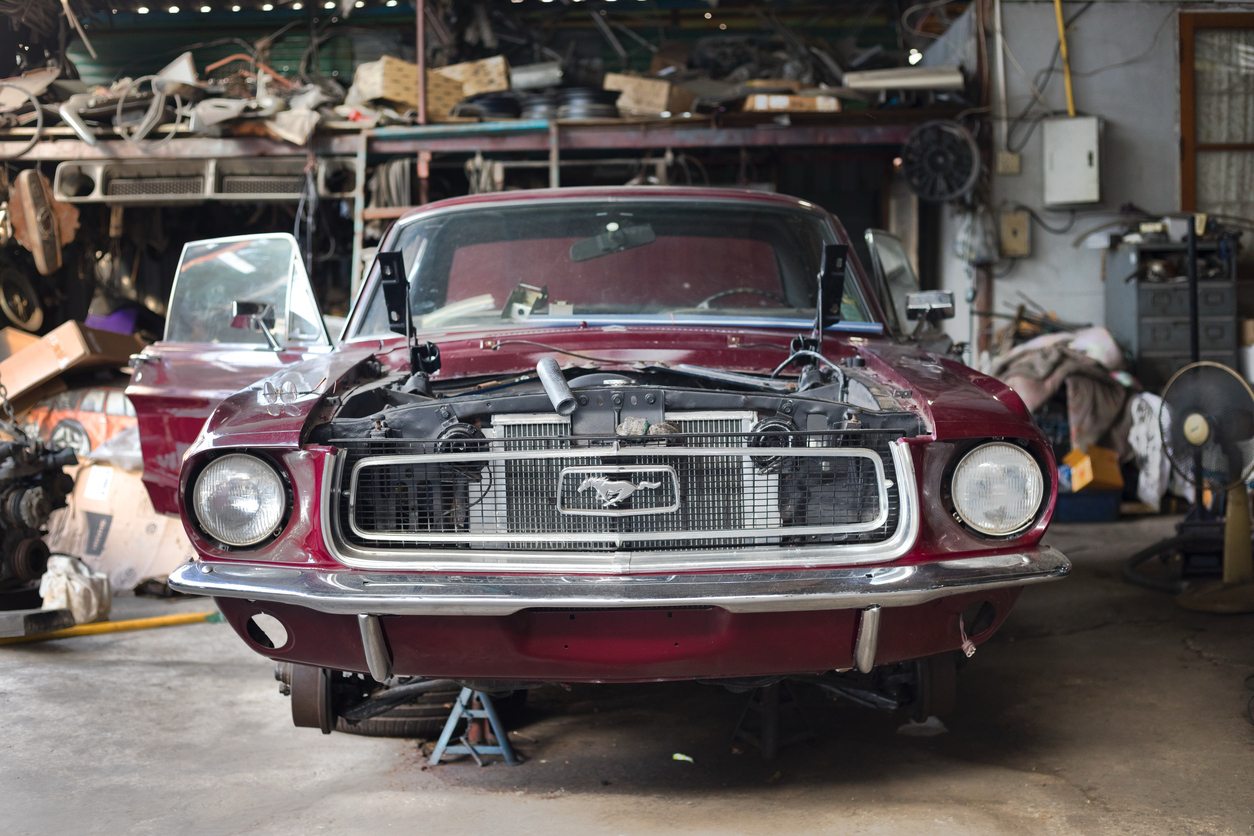
Congratulations on joining the Mustang community. You're now the owner of one of the most iconic American muscle cars ever built, whether it's a first-generation 1965 to 1973 model or one of the later Fox-body or SN95 variants. The question every new classic Mustang owner asks is the same: where do I start?
The answer depends on your car's condition, your budget, and your goals, but there's a logical progression that prioritizes safety, reliability, and drivability before chasing horsepower numbers or show-car cosmetics. This guide walks through the essential modifications in the order they should be tackled, with specific attention to the first-generation Mustangs from 1965 to 1970 that represent the majority of classic Mustang builds.
Step One: Assess What You Actually Have
Before you order a single part, spend time understanding your Mustang's current condition. Not every classic Mustang needs the same upgrades, and throwing parts at a car without understanding what it actually needs wastes money and creates new problems.
Conduct a thorough inspection: Get the car on jack stands or over a lift if possible and examine the entire underside. Look for rust in the floor pans, torque boxes, frame rails, and shock towers. Check the condition of brake lines, fuel lines, and exhaust components. Inspect suspension bushings, ball joints, and steering linkage for wear. Document everything you find.
Test drive evaluation: If the car is currently roadworthy, take it for an extended test drive on varied roads. Note how the brakes feel, whether the steering has excessive play or pulls to one side, how the suspension reacts to bumps and corners, and whether the engine runs cool or starts to overheat in traffic. Listen for unusual noises from the drivetrain, suspension, or exhaust.
Identify your build direction: Are you building a numbers-matching restoration, a pro-touring street car, a weekend cruiser, or a drag car? The answer determines which modifications make sense and which don't. A concours restoration has different priorities than a restomod with modern suspension and brakes.
Once you understand what you're working with and where you want to go, you can prioritize modifications that address safety concerns first, followed by reliability upgrades, and finally performance and cosmetic improvements.
Priority One: Brakes
If your classic Mustang still has drum brakes on all four corners, upgrading to disc brakes is the single most important modification you can make. Period. Nothing else matters if you can't stop the car confidently and consistently.
Early Mustangs were designed in an era when drum brakes were the standard, and while they worked adequately for the traffic conditions and driving speeds of 1965, they're marginal at best in modern traffic. Drum brakes fade under repeated hard stops, require constant adjustment, and lack the immediate bite and progressive feel of disc brakes.
Front disc brake conversion: At minimum, upgrade to front disc brakes if your Mustang doesn't already have them. Kits typically bolt to factory spindles using the existing wheel bearings and are a straightforward weekend installation. Look for kits with larger rotors, at least 11 inches in diameter, and quality four-piston calipers from manufacturers like Wilwood. Browse the Brakes collection for complete conversion kits.
Four-wheel disc conversion: For the best performance, upgrade both front and rear to disc brakes. This is particularly important if you've added horsepower, installed a more aggressive camshaft that reduces engine vacuum, or plan to drive the car regularly in traffic. Rear disc conversions typically require new backing plates or complete axle assemblies, so they're more involved than front conversions but worth the effort.
Master cylinder upgrade: The factory single-reservoir master cylinder is a safety liability by modern standards. Upgrade to a dual-reservoir master cylinder designed for four-wheel disc brakes. This provides a backup circuit so complete brake failure from a single leak is impossible. Many kits are available in the Brake Boosters collection that include both the master cylinder and an appropriately sized booster.
Brake lines and hardware: If you're going to the trouble of upgrading the brake system, replace all the rubber flex hoses and consider upgrading to braided stainless steel lines for better pedal feel. Inspect all hard lines for rust and replace any that show corrosion. New brake hardware kits ensure the calipers and pads operate as designed.
Budget to allocate here: $1,500 to $3,000 for a complete four-wheel disc conversion with master cylinder, booster, and lines. This is money well spent and potentially life-saving.
Priority Two: Suspension and Steering
With braking sorted, turn your attention to how the car rides, handles, and responds to steering input. Factory Mustang suspension was designed for comfort and cost, not performance, and decades of wear haven't improved things.
Front suspension overhaul: Start with a complete rebuild of the front suspension using quality components. At minimum, this means new ball joints, tie rod ends, idler arm, and center link. Upgrade to polyurethane bushings in the control arms for improved response and reduced deflection under cornering loads. If the budget allows, consider tubular control arms from the Control Arms collection that offer better geometry and adjustability than stock stamped steel arms.
Coilover conversion or spring/shock upgrade: The factory coil springs and shocks have likely lost their damping capability and spring rate over 50-plus years of service. For street-driven Mustangs, a quality coilover conversion allows you to dial in ride height and spring rate while dramatically improving handling. Systems from brands like RideTech, Viking, and Heidts bolt in using factory mounting points and transform how the car corners. Check the Suspension Kits and Components collection for complete front and rear systems.
Sway bars: Factory Mustang sway bars are undersized for spirited driving. Upgrading to a larger diameter front sway bar, typically 1-1/8 inch or larger, makes an immediate difference in body roll and turn-in response. Adding a rear sway bar if your car didn't come with one helps balance the chassis and reduces oversteer.
Steering upgrade: If your Mustang still has the original steering box and linkage, the slop and vagueness you feel is normal for a worn factory system but not acceptable for safe driving. Borgeson Universal offers power steering boxes and linkage upgrades that bolt into factory locations and eliminate play while improving road feel. For more extensive builds, consider a complete rack-and-pinion conversion that provides modern steering precision.
Rear suspension: Leaf springs wear out and sag over time. If your Mustang sits low in the rear or has a harsh ride over bumps, new leaf springs restore ride height and compliance. For improved traction and handling, consider a rear coilover conversion or a four-link setup that eliminates wheel hop and provides adjustability for ride height and anti-squat geometry.
Budget allocation: $2,000 to $4,000 for a comprehensive suspension and steering refresh with quality components. Pro-touring builds with full coilover conversions can run $5,000 to $8,000.
Priority Three: Cooling System
Mustangs with stock radiators and mechanical fans frequently run hot in modern traffic conditions, particularly if the engine has been modified for more power. Addressing cooling before you have an overheating issue prevents expensive engine damage down the road.
Aluminum radiator upgrade: Replace the factory copper and brass radiator with a modern aluminum unit that offers better heat rejection at a fraction of the weight. Quality three-row or four-row aluminum radiators are available for all Mustang models and typically drop into the stock radiator support with minimal modification. The Cooling Components collection offers radiators sized for both stock and built engines.
Electric fan conversion: The factory belt-driven mechanical fan robs horsepower and doesn't provide adequate airflow at idle. A dual electric fan setup controlled by an adjustable thermoswitch maintains proper cooling in traffic while freeing up 20 to 30 horsepower under acceleration. Electric fans also allow more flexibility in engine positioning and eliminate the risk of fan-to-radiator contact from engine movement.
Water pump and thermostat: If the cooling system hasn't been serviced recently, install a new high-flow water pump and a quality 180-degree thermostat. This ensures proper coolant circulation and allows the engine to run at optimal operating temperature. Don't forget fresh coolant mixed to the proper ratio with distilled water.
Coolant recovery tank: Add an aluminum coolant reservoir if your Mustang doesn't have one. This prevents coolant from being expelled onto the ground as the system heats and cools and maintains proper coolant levels to prevent air pockets.
Budget: $800 to $1,500 for a complete cooling system upgrade. This is cheap insurance against engine damage from overheating.
Priority Four: Engine Accessories and Reliability
With safety and handling addressed, focus on making the engine reliable and easier to maintain before chasing power gains.
Serpentine belt conversion: If your Mustang still has the factory V-belt system with multiple belts driving the accessories, convert to a single serpentine belt system. Modern serpentine conversions from the Engine Accessories collection improve belt life, maintain consistent tension, eliminate belt squeal, and look dramatically better in the engine bay.
Ignition system upgrade: Replace the factory points-style ignition with an electronic ignition system. This provides more consistent spark timing, easier starting, and eliminates the need for regular distributor maintenance. For even better performance, consider a complete distributor upgrade with adjustable advance curves.
Fuel system inspection: Check the condition of the fuel tank, sending unit, and all fuel lines. Rust and sediment in an old tank will cause fuel delivery problems and damage the carburetor or fuel injection system. If the tank is questionable, replace it with a new unit rather than attempting to clean it. Upgrade to braided stainless fuel lines if budget allows.
Carburetor or EFI upgrade: If the engine runs poorly, stumbles, or is difficult to tune, the carburetor may be worn out or incorrectly sized for the engine. A properly sized and tuned carburetor makes a dramatic difference in drivability. For builders willing to embrace modern technology, a bolt-on EFI system like Holley Sniper or FiTech provides superior cold starting, better fuel economy, and perfect tuning without the constant tweaking carburetors require. Check the Carburetors collection for both traditional and EFI options.
Oil leaks and gaskets: Fix oil leaks before they become a problem. Replace valve cover gaskets, oil pan gaskets, and rear main seal if needed. A clean, leak-free engine is easier to maintain and allows you to spot new problems before they become serious.
Budget: $1,000 to $2,500 for engine accessory upgrades and reliability improvements.
Priority Five: Interior Safety and Comfort
Once the mechanical systems are sorted, turn your attention to the interior. This isn't about cosmetics yet but about making the car safe and comfortable to drive.
Seat belts: If your Mustang has old lap belts or no belts at all, install modern three-point retractable seat belts. This is a safety item that should not be overlooked. Quality reproduction seat belt sets are available that mount to factory locations and meet current safety standards.
Seat upgrade: If the factory seats are worn, sagging, or uncomfortable, upgrade to seats with better support. This is particularly important for long drives or spirited driving where you need proper lateral support. Modern reproduction bucket seats or aftermarket performance seats transform the driving experience.
Gauges that work: Verify that all gauges function correctly, particularly the temperature gauge and oil pressure gauge. If the factory gauges are inaccurate or non-functional, consider upgrading to a complete gauge set from manufacturers like Classic Instruments or Dakota Digital that provide accurate readings in classic styling.
Pedal assembly: Inspect the brake and clutch pedal assemblies for wear. Worn pedal bushings create slop and inconsistent pedal feel. Upgraded pedal assemblies with polyurethane bushings or sealed bearings eliminate play and improve pedal response.
Budget: $800 to $1,500 for interior safety and comfort improvements.
What to Save for Later
Now that we've covered the essentials, here's what you should not prioritize initially, despite the temptation:
Engine performance upgrades: Yes, more horsepower is fun, but it's wasted on a car that can't stop, handle, or cool itself properly. Build the foundation first, then add power. The chassis and brake upgrades you've already done will allow you to actually use that extra power when the time comes.
Cosmetic paint and bodywork: Unless the body has structural rust that needs immediate attention, cosmetics can wait. Drive the car, get to know it, and make sure all the mechanical systems work correctly before you invest in expensive paint and body restoration.
Expensive wheels and tires: Quality tires on decent wheels are important, but exotic forged wheels can wait until the rest of the car is sorted. Focus on proper suspension geometry first, then choose wheels that complement the stance you've achieved.
Stereo and electronics: Modern stereo systems are great, but they're luxury items. Get the car mechanically sound before you worry about entertainment systems.
The Right Order Makes All the Difference
Building or modifying a classic Mustang is a marathon, not a sprint. By addressing safety, reliability, and fundamental performance in the correct order, you build a car that's enjoyable to drive at every stage of the process rather than a collection of expensive parts that don't work together.
Start with brakes, move to suspension and steering, ensure the cooling system can handle the demands you'll place on it, make the engine reliable, and address interior safety. Once you have a Mustang that stops confidently, handles predictably, stays cool, and is comfortable to drive, then and only then should you start chasing horsepower numbers or show-car cosmetics.
Hot Rod Hardware carries the components covered in this guide for all Ford Mustang models, from first-generation classics through Fox-body and SN95 builds. Browse the collections or call (877) 291-0363 to discuss your specific Mustang build with a team that understands what it takes to build these cars correctly.
Your classic Mustang represents decades of American automotive history. Take the time to build it right, in the right order, and you'll have a car you can drive and enjoy for decades to come.